Not everything in a property cleanout or junk removal job is ordinary waste — and for Woodland Hills and San Fernando Valley homeowners, understanding which items are classified as hazardous waste under federal law helps you avoid the liability that improper disposal creates.
The Resource Conservation and Recovery Act — RCRA — is the federal statute that governs how hazardous waste must be identified, stored, transported, and disposed of across the United States. Understanding how RCRA applies to residential and light commercial junk removal gives Los Angeles County property owners a practical framework for making responsible disposal decisions.
What RCRA Is and How It Governs Waste Disposal
The Resource Conservation and Recovery Act, enacted in 1976 and administered by the EPA, establishes the cradle-to-grave regulatory framework for hazardous waste management in the United States.
RCRA defines what constitutes hazardous waste, establishes generator requirements that govern how hazardous waste must be handled and stored, and sets the standards that licensed treatment, storage, and disposal facilities must meet to legally accept hazardous materials.
RCRA’s hazardous waste classifications cover materials that are ignitable, corrosive, reactive, or toxic — characteristics that apply to a significant range of household and light commercial items that appear in Woodland Hills property cleanouts, estate clearances, and renovation debris removal jobs.
Used motor oil, paint and solvents, batteries, pesticides, fluorescent lighting, electronics, and certain cleaning chemicals all carry hazardous waste characteristics that affect how they must be handled after collection. The EPA’s RCRA hazardous waste program publishes the full regulatory framework including waste classification guidance, generator requirements, and disposal standards that licensed haulers and Los Angeles County property owners must follow.
How RCRA Applies to Residential and Light Commercial Waste in California
Federal RCRA regulations establish baseline hazardous waste standards that California administers and enforces through a state program that is in many areas more stringent than federal requirements.
California’s Department of Toxic Substances Control (DTSC) runs the state’s hazardous waste program under authority from both RCRA and California’s own Hazardous Waste Control Law — meaning Woodland Hills and Los Angeles County residents are subject to a dual-layer regulatory framework that exceeds federal minimums on several important dimensions.
California’s household hazardous waste (HHW) program — one of the most comprehensive in the country — provides Los Angeles County residents with free drop-off options for paints, batteries, electronics, fluorescent bulbs, pesticides, and other hazardous materials that cannot legally be placed in curbside trash.
For Woodland Hills homeowners planning a property cleanout or renovation debris removal, identifying which items qualify for the HHW program before a junk removal job helps ensure those materials are routed through the appropriate disposal pathway rather than mixed into general waste. The California Department of Toxic Substances Control oversees hazardous waste management statewide and provides guidance on household hazardous waste identification and disposal options for Los Angeles County residents.
What Woodland Hills Homeowners Should Know About E-Waste and Appliance Disposal
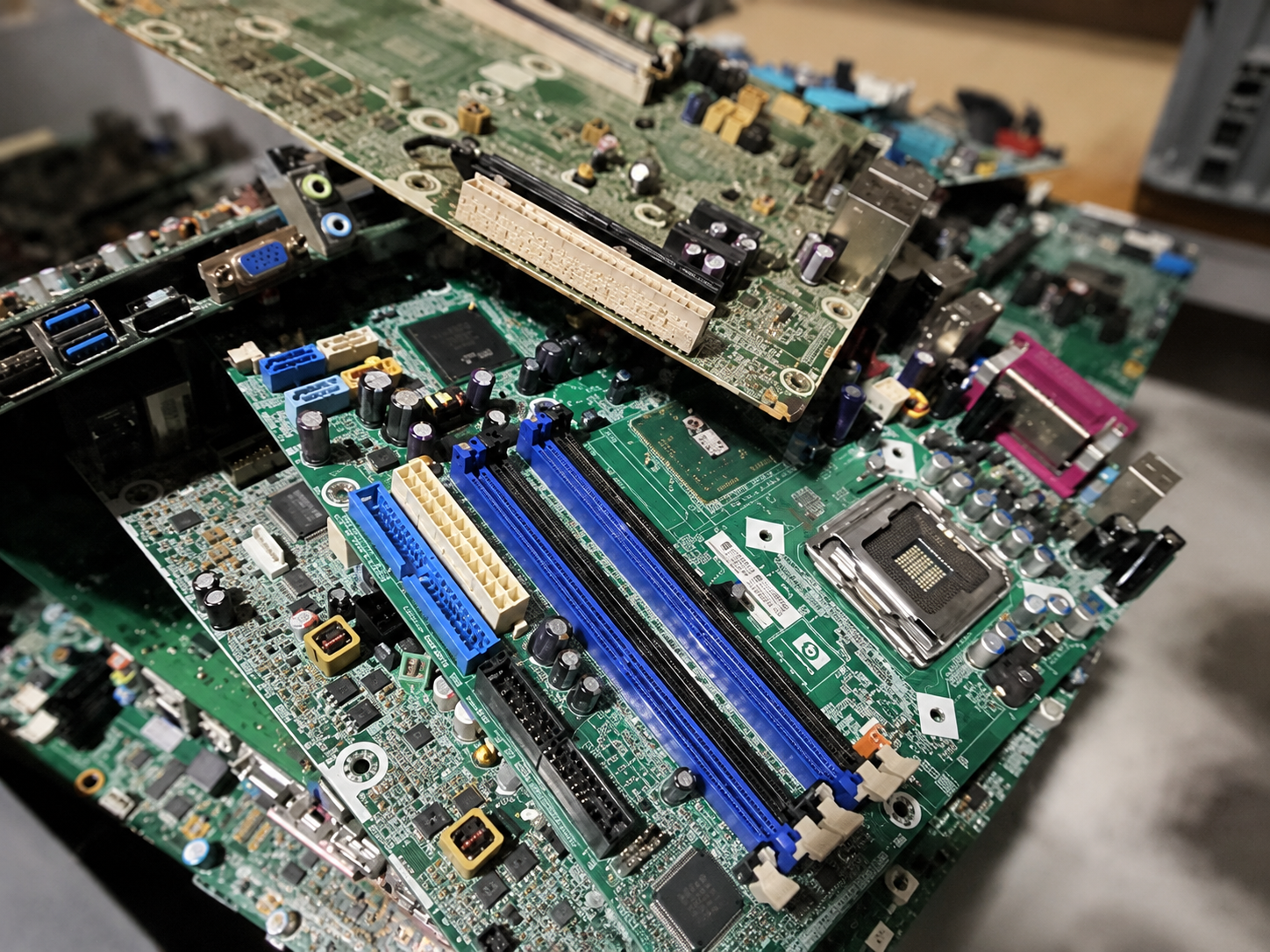
Two waste categories that appear in virtually every Woodland Hills property cleanout — electronics and appliances — carry specific regulatory requirements under both RCRA and California law that affect how licensed junk removal companies must handle them.
California’s Electronic Waste Recycling Act requires that covered electronic devices — televisions, monitors, laptops, and certain other devices — be recycled through certified e-waste recyclers rather than landfilled. That requirement applies regardless of whether the electronics are removed by the homeowner or a junk removal service.
Appliances containing refrigerants — refrigerators, freezers, window air conditioners, and dehumidifiers — are subject to Clean Air Act Section 608 requirements that mandate certified refrigerant recovery before any appliance can be landfilled or scrapped.
A junk removal company that hauls refrigerant-containing appliances without certified recovery is creating Clean Air Act violations that can extend liability to the originating property owner in enforcement actions. The EPA’s e-waste and electronics stewardship resources document the specific regulatory requirements governing electronics disposal — reinforcing why Woodland Hills homeowners should confirm that any junk removal provider handles electronics and appliances through certified, compliant channels.
How to Identify Potentially Hazardous Items Before a Woodland Hills Junk Removal Job
Understanding RCRA and California’s hazardous waste framework gives Woodland Hills and San Fernando Valley property owners a practical checklist for identifying items that require special handling before a junk removal crew arrives. Sorting these materials out in advance ensures they’re routed through appropriate disposal pathways rather than inadvertently mixed into general waste.
Items that commonly require special handling in Woodland Hills property cleanouts include:
- Paints, stains, and varnishes — oil-based products are hazardous; latex paint can sometimes be dried and disposed of as solid waste
- Batteries — all rechargeable batteries and certain single-use batteries require recycling rather than landfill disposal
- Fluorescent bulbs and tubes — contain mercury and require HHW drop-off or certified recycling
- Pesticides, herbicides, and pool chemicals — classified as hazardous regardless of quantity
- Electronics — covered devices subject to California’s e-waste recycling requirements
- Appliances with refrigerants — require certified recovery before disposal
The Los Angeles County Department of Public Works administers the household hazardous waste collection program that serves Woodland Hills and San Fernando Valley residents — providing free drop-off locations and periodic collection events that route hazardous materials through compliant disposal channels.
Woodland Hills Junk Removal That Handles Every Load Responsibly
Understanding RCRA and California’s hazardous waste regulations gives Woodland Hills and San Fernando Valley property owners a clear standard for evaluating any junk removal provider — one that goes beyond price and speed to the disposal accountability that protects you from downstream liability and keeps Los Angeles County’s communities and environment safe.
Malibu Junk Removal is a licensed and insured junk removal service serving Woodland Hills, Encino, Calabasas, Los Angeles, Santa Monica, Beverly Hills, and surrounding Valley communities with eco-friendly hauling and responsible disposal practices.
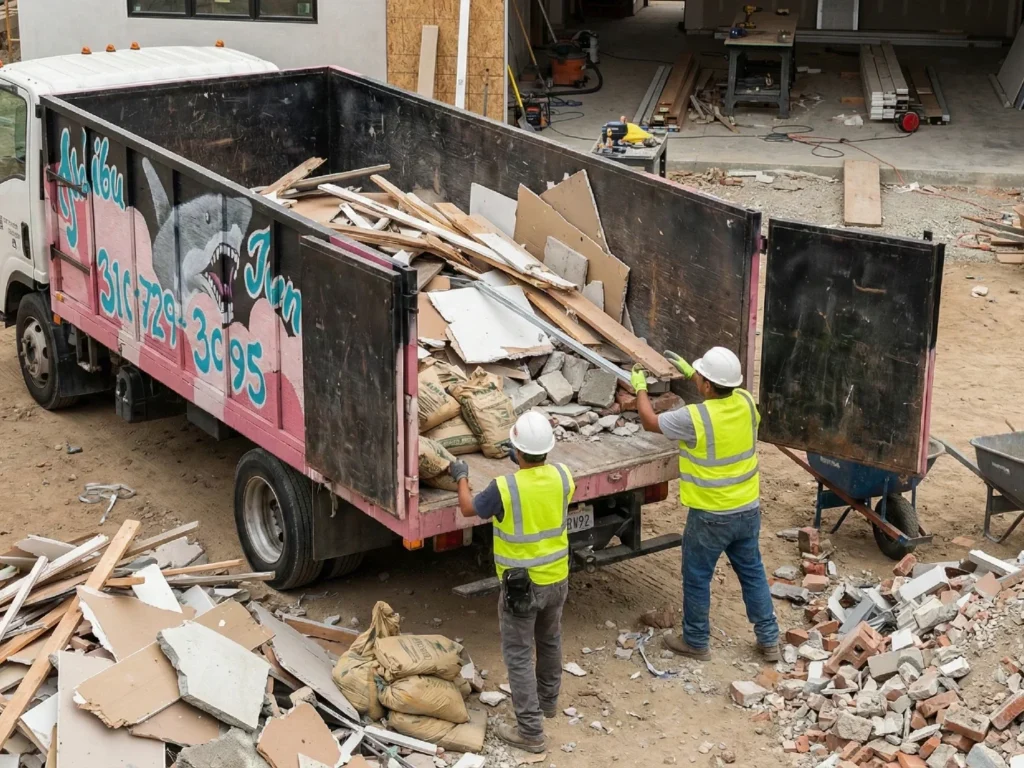
From appliance removal and construction debris removal to commercial junk removal for businesses managing renovation or office cleanouts, every job is handled with the compliance and care that California’s stringent waste regulations require.
Call now for a free estimate and let a licensed, responsible Los Angeles team handle your junk the right way.


